Sapphires are the most popular of the three colored precious gemstones. Similar to rubies (they are both corundum), sapphires come in many different colors, shapes, and sizes. They provide great variety to gemstone lovers and ensure the enduring popularity of sapphire jewelry.
Explore Sapphires

History & Lore
The island of Serendib (present-day Sri Lanka) holds one of the earliest records for the mining of sapphires. Ancient people believed that the power of wisdom was contained within this precious gemstone. They believed that when the wearer of a sapphire faced challenging obstacles, the stone's power enabled them to find the correct solution. The modern word sapphire is derived from the ancient Latin term "Sapphirus."
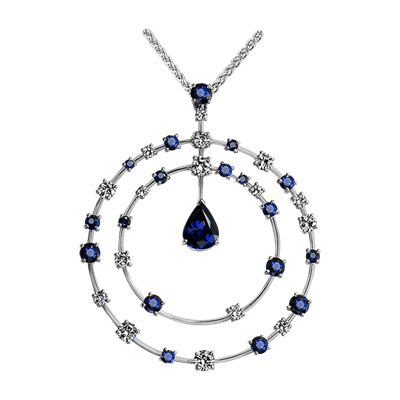
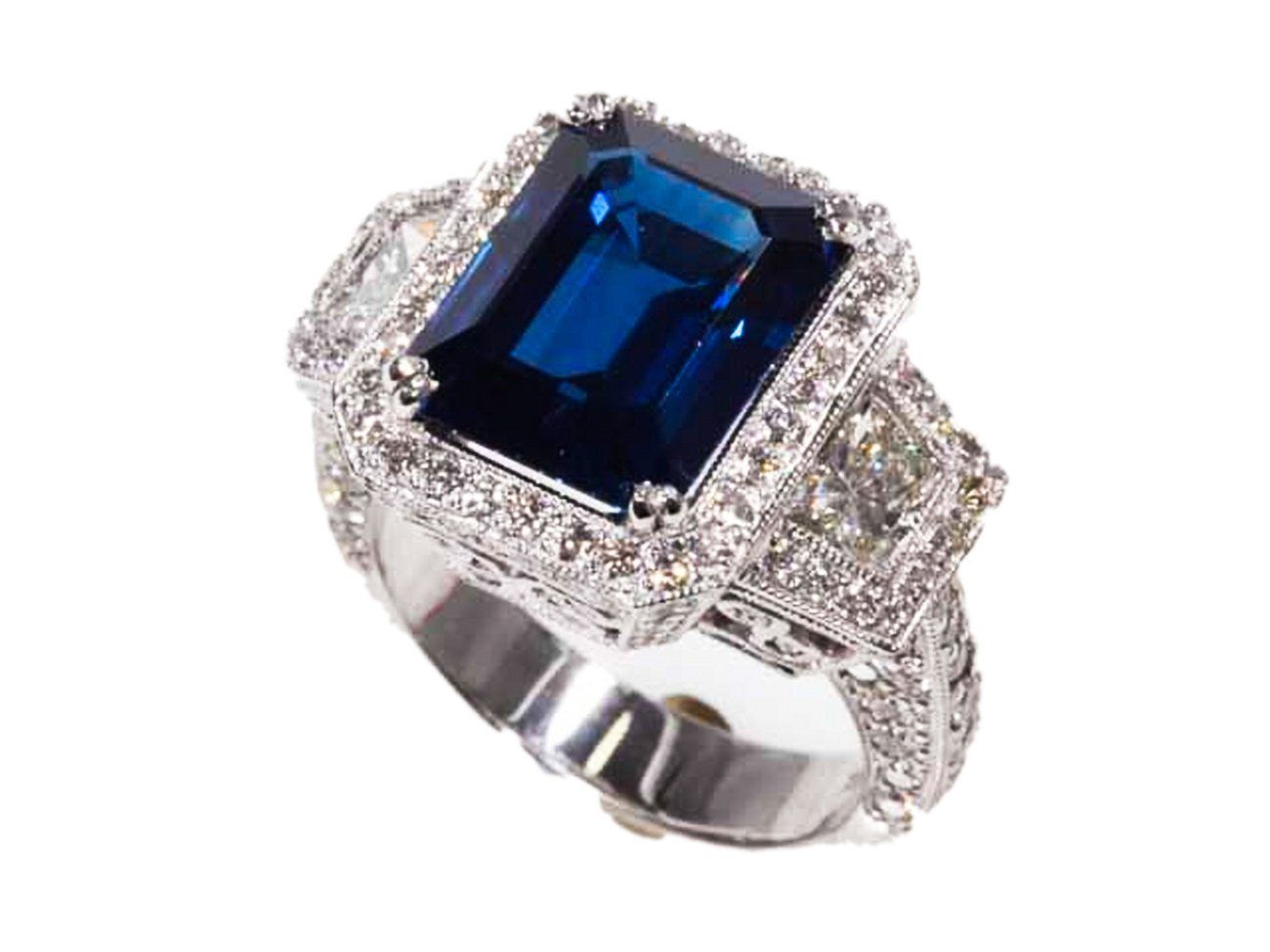
Blue sapphire jewelry remains among the most sought-after in the world. Lady Diana's iconic blue sapphire engagement ring — a fine blue oval prong-set with brilliant cut diamonds — greatly influenced the popularity of sapphire wedding and engagement rings, a trend that continues to this day.
Where Sapphires Come From
Australia and Africa are the world's largest suppliers of blue sapphires. Sri Lanka also provides a large portion of the world's supply — gemstones from this island are often called "Ceylon" sapphires, retaining the island's former name. Each origin produces stones with distinct characteristics prized by collectors and connoisseurs.
Sapphire Colors
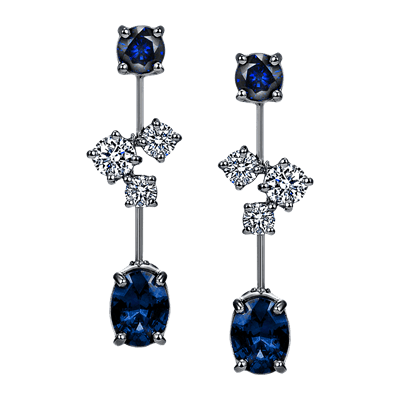
While blue is the most recognized color, sapphires actually come in virtually every color of the spectrum — pink, yellow, orange, green, purple, and colorless (called "white sapphire"). The stunning orange-pink variety known as Padparadscha is among the rarest and most valuable. Red corundum is classified separately as ruby. Midnight blue sapphires have traditionally been considered less valuable, but today midnight blue sapphire jewelry is increasingly fashionable — particularly for sapphire earrings due to their lower cost.
How to Evaluate a Sapphire
For sapphires, like most colored stones, the following order of criteria is generally considered optimal:
- Color — Intensity, uniformity, and purity of color are the most important considerations. Fine blue sapphires should not contain overtones or secondary colors, as this lessens the stone's beauty.
- Life / Brilliance — How the stone handles light and sparkles.
- Clarity / Transparency — The cleaner the stone, the rarer and more valuable.
- Cut / Proportions — The overall beauty of the stone will depend heavily on cutting quality.
- Size / Carat Weight — To fit one's budget.
Very dark blue sapphires will appear black under low light settings, while fine blue sapphires will maintain their color in any light setting. This light behavior is an important quality indicator when examining stones at Grissom's.