Rubies are one of the most coveted gemstones in the world. Sharing corundum as their base mineral with sapphires, the vivid red of a fine ruby is produced by the presence of chromium. Rubies and sapphires are closely related — the difference in color occurs because of the different trace minerals contained within each gemstone.
Explore Rubies
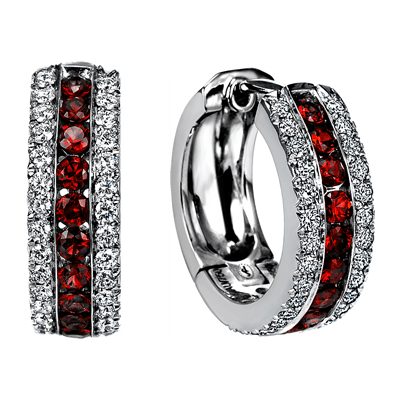
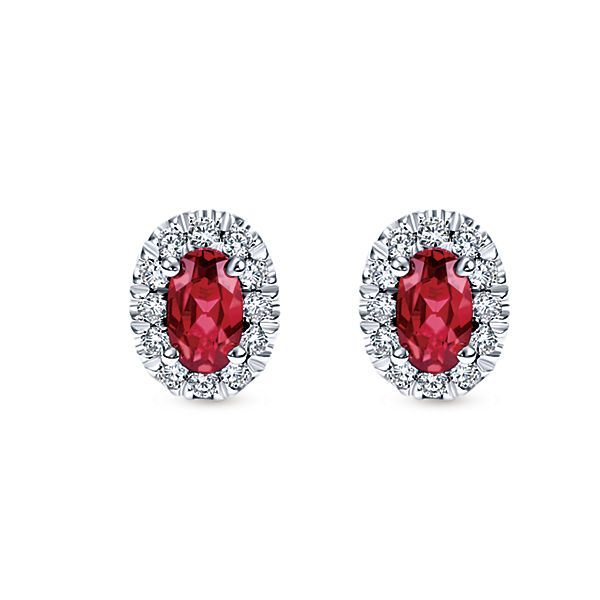
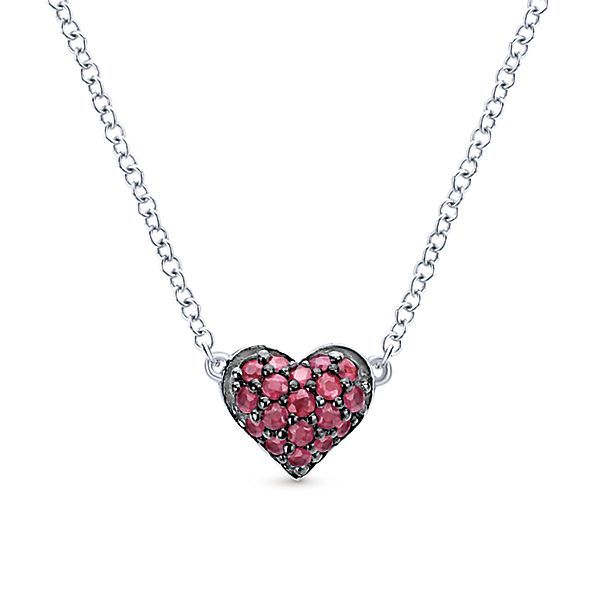
History & Lore
In the ancient world, many believed rubies to contain prophetic powers, enabling wearers to predict their future based on the color changes of their gemstones. When inserted beneath the skin, the ancient Burmese believed the stone generated a mystical force which protected the wearer from accidents and attack. The modern word ruby is derived from the ancient Latin term "Rubeus."
Where Rubies Come From
Today, Burma (Myanmar) is the world's largest provider of high-quality rubies. Many consider Burmese rubies from the Mogok Valley to be the world's finest. Vietnam, Kenya, Tanzania, and Sri Lanka are some of the other notable sources. Thailand, with large deposits near the Cambodian border, was previously the world's largest provider but mining has been greatly reduced due to environmental regulations.
Thai rubies tend to have a darker color and less intensity than Burmese rubies. African rubies tend to have heavier inclusions, though beautiful stones with fine clarity can be found at various price points. Each origin has distinct characteristics that an experienced gemologist can identify.
Durability
With a hardness of 9 on the Mohs scale — just below that of diamonds (10) — rubies are one of the toughest gemstones. With no cleavage plane, breakage rarely occurs. This makes ruby perfect for all types of jewelry including rings, necklaces, and earrings for everyday wear.
Inclusions & Treatment
Microscopic inclusions, sometimes called "silk," are a normal characteristic of rubies. The existence of inclusions can actually provide traces to the ruby's origin and helps separate natural from synthetic stones — inclusions may also be evidence that a ruby has not been heat-treated. Inclusions do not greatly affect the value of the stone as long as the brilliance of the gemstone is maintained and they are not visible to the naked eye.
Heat treatment is common and accepted in the trade for rubies, as it can improve color and clarity. Grissom's will always disclose any treatments when presenting stones to customers.
How to Evaluate a Ruby
The evaluation of rubies should be done under different light settings, with the following order of criteria generally considered optimal:
- Color — Intensity and uniformity of the red color are the primary factors in determining price. Highly valued rubies display an intense medium red with uniform color. Intense pink rubies can also be highly appraised if they are clear and beautifully cut.
- Life / Brilliance — When viewed under very strong light, rubies may show intense color; under normal lighting, the gemstone may appear less intense. Light is therefore a very important factor in determining the true color.
- Clarity / Transparency
- Cut / Proportions — Rubies must be judged from their face-up position and their overall beauty should always be considered.
- Size / Carat Weight
Personal color preference should always factor into your decision — and any qualified Grissom's team member will offer guidance on value and rarity alongside your personal taste.